
Most women know they should keep an eye on their breasts. Ask what exactly they’re checking for, or when their next mammogram is due, and things get a bit vaguer.
Some background first. Breast cancer is the most commonly diagnosed cancer among Australian women, and the Australian Government says about 1 in 7 women will be diagnosed at some point in their life. Age is the biggest known risk factor, and most breast cancers are found in women over 50.
Knowing what’s normal for you
Being breast aware just means you know how your own breasts usually look and feel. Breasts vary a lot from one woman to the next in size, shape and colour, so there’s no single normal to compare yourself with. There’s only what’s normal for you, and once you know that, a change stands out a lot more.
You don’t have to follow any special technique either. The government advice is simply to check your breasts regularly and act on any changes. Some women do it in the shower. Others have a look in the mirror while they’re getting dressed. It doesn’t really matter how you do it, as long as you keep doing it.
The easiest way to make it stick is to tie it to something you already do. Plenty of women link it with other small health habits, like the ones in our piece on living a healthy lifestyle on a limited budget. It’s free and takes a few minutes, and after a while you’ll have a pretty clear idea of what feels right for you.
Some women like to pick the same time each month so they don’t forget. That’s fine, but there isn’t a fixed schedule you’re meant to stick to. The point is knowing your normal so you notice when something’s different.
What to look out for
The Australian Government advice on being breast aware lists the warning signs. And keep in mind breast cancer can develop at any time, including in between screening appointments, so having regular mammograms doesn’t mean you can stop paying attention. The signs to look and feel for are:
- a new lump or lumpiness, especially in just one breast
- a change in the size, shape or colour of a breast
- nipple changes like redness, crusting, discharge or a nipple turning inwards
- skin changes like dimpling, swelling or bulging
- irritation or a rash
- pain that doesn’t go away
BreastScreen NSW also says nipple discharge that happens without squeezing is worth getting checked. If you notice anything unusual, talk to your GP as soon as you can. Often these changes turn out to be nothing serious. But it’s always better to be sure.
That goes for finding a lump just after a clear mammogram too. A recent clear result doesn’t mean a new change can be ignored, because cancer can develop between screens. Book in with your GP and let them decide whether you need more tests.
Screening is for women who don’t have any symptoms. So if you’ve noticed something, don’t sit on it until your next mammogram comes around. BreastScreen NSW asks women with symptoms to see their GP rather than go to the screening service, and your doctor can look at the change and arrange tests straight away.
That might be a physical breast examination, or your GP might send you for diagnostic imaging like a mammogram or an ultrasound. Going early means you get answers sooner, and if it’s harmless you’ve saved yourself weeks of worrying about it.
Before the appointment, jot down what you noticed, when you first saw it and whether it’s changed since. Add a short list of questions too, so the appointment stays on track.
How free screening works
BreastScreen Australia is the national breast screening program, and it offers free mammograms through services in every state and territory. If you’re 50 to 74 you’ll be invited to have a free mammogram every two years. The idea is to find breast cancers early, before they can be seen or felt.
If you’re 40 to 49, or 75 and over, you can still get a free mammogram through the program. You just won’t get an invitation in the mail, so you’ll need to book it yourself. If you’re 45, say, and not sure whether screening is right for you yet, have a chat with your GP about it.
You can find your local service through the BreastScreen Australia Program page. Each state and territory runs its own service and there are more than 750 screening locations around the country, including mobile vans, buses and four wheel drives that get out to regional areas. You don’t need a referral to book. BreastScreen WA points out the service is free and no referral is needed, and you can book directly with the service where you live. The government says the five year survival rate for breast cancer has gone up to 94% since the program started.
On the day
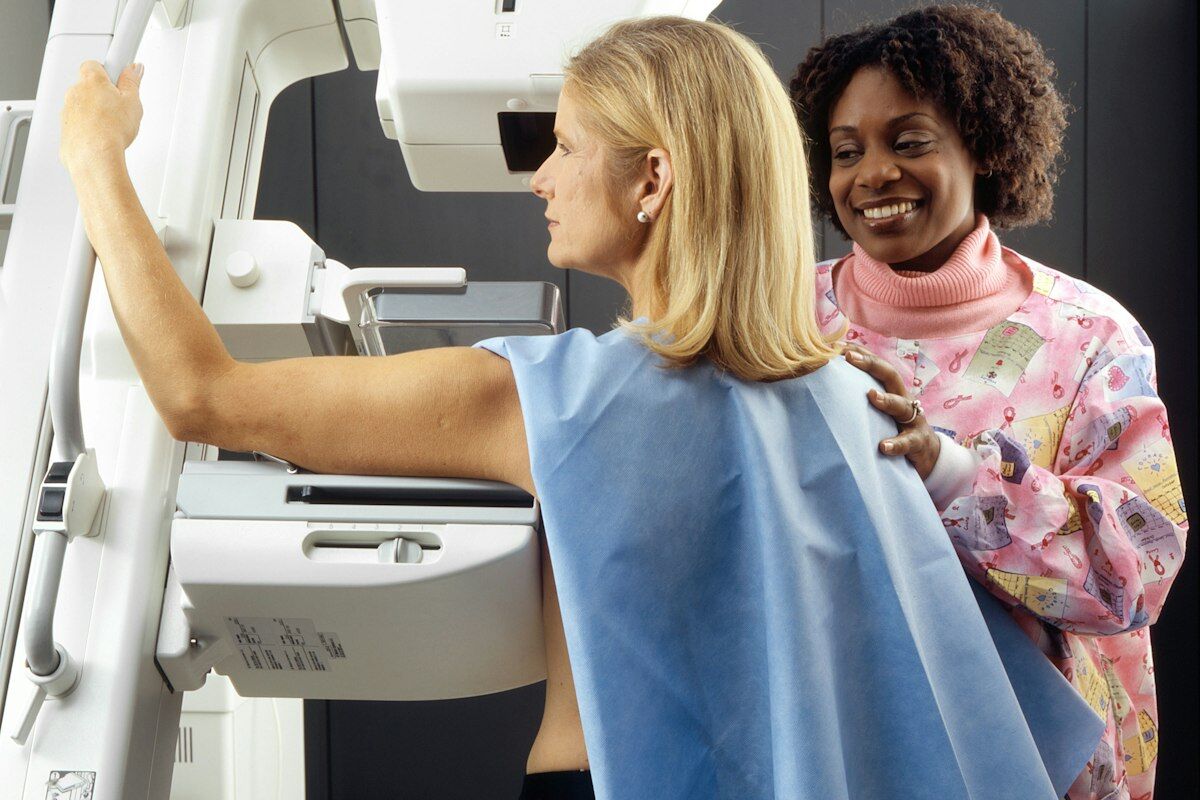
A screening mammogram is an x ray of the breasts. It’s done by a health professional called a radiographer, who’ll talk you through it first. You’ll need to take your clothes off from the waist up, so a top with a skirt or pants is easier than a dress.
Each breast goes between two plates and the machine presses down firmly for about 10 seconds. Usually they take two images of each breast, one from the side and one from above. The whole appointment is normally under 30 minutes and the mammograms themselves only take a few minutes of that.
Some discomfort is normal, but it should only last a few seconds. If it hurts, say so at the time and the radiographer can release the pressure. Some women book in with a friend or a sister and go together.
Afterwards, two or more specially trained health professionals look over each set of images for anything unusual. BreastScreen WA aims to get results to you within two weeks, though now and then it takes longer. If you agree, a copy can go to your GP as well.
Sometimes women get asked to come back for more tests. Being recalled doesn’t mean you have breast cancer. It happens more often after a first mammogram, simply because there are no earlier images to compare with. In WA those follow up tests are free too.
Between screens
A clear result is great news, but it only tells you about that one moment. Keep checking your breasts in between. Pop your next screen in your calendar so the two years don’t get away from you, and if you’ve moved house, update your details with your local service.
Your general health habits help too. Moving regularly, sleeping well and eating fairly steadily all play a part in feeling more in control. Busy weeks make that harder, and our piece on stress eating after a long day has a few gentle ideas for those nights. None of it replaces screening, but it all helps.
This article is general information only and isn’t medical advice. Please talk to your doctor or a qualified health professional about your own health.